© Kenny Scholz

The Bastei / Bastei Bridge

The most famous rock formation in Saxon Switzerland - THE most popular excursion destination in the region

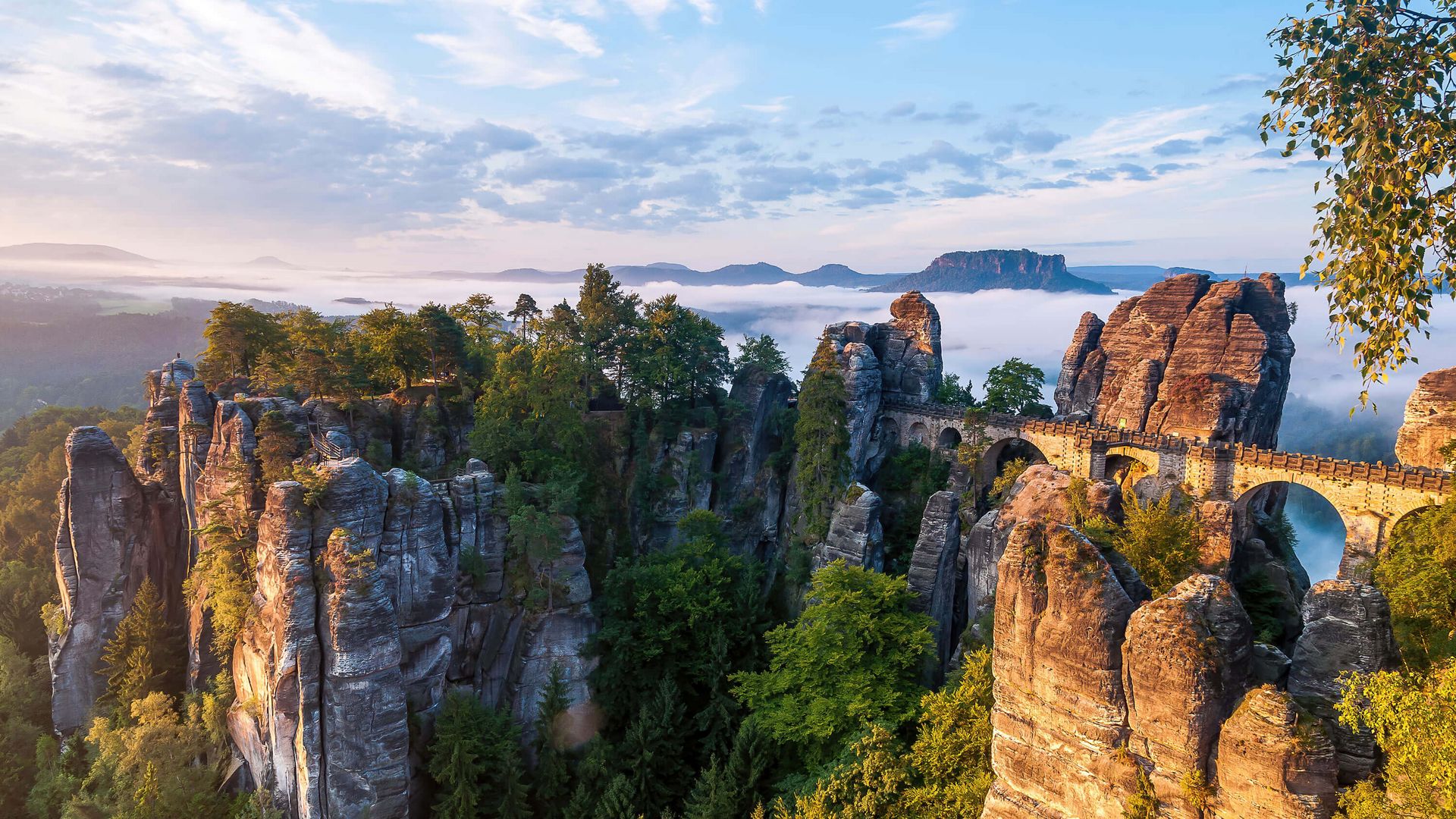
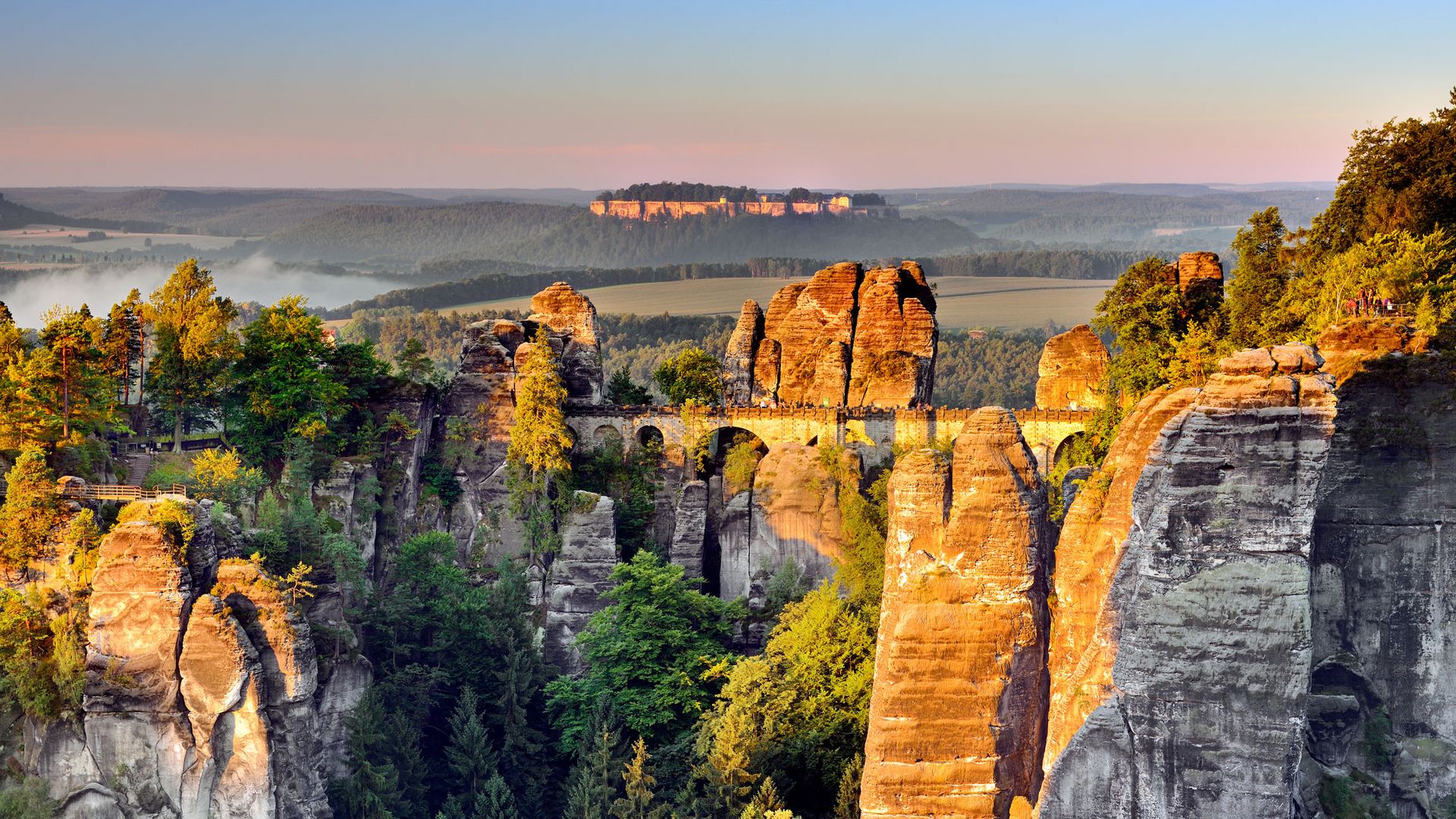
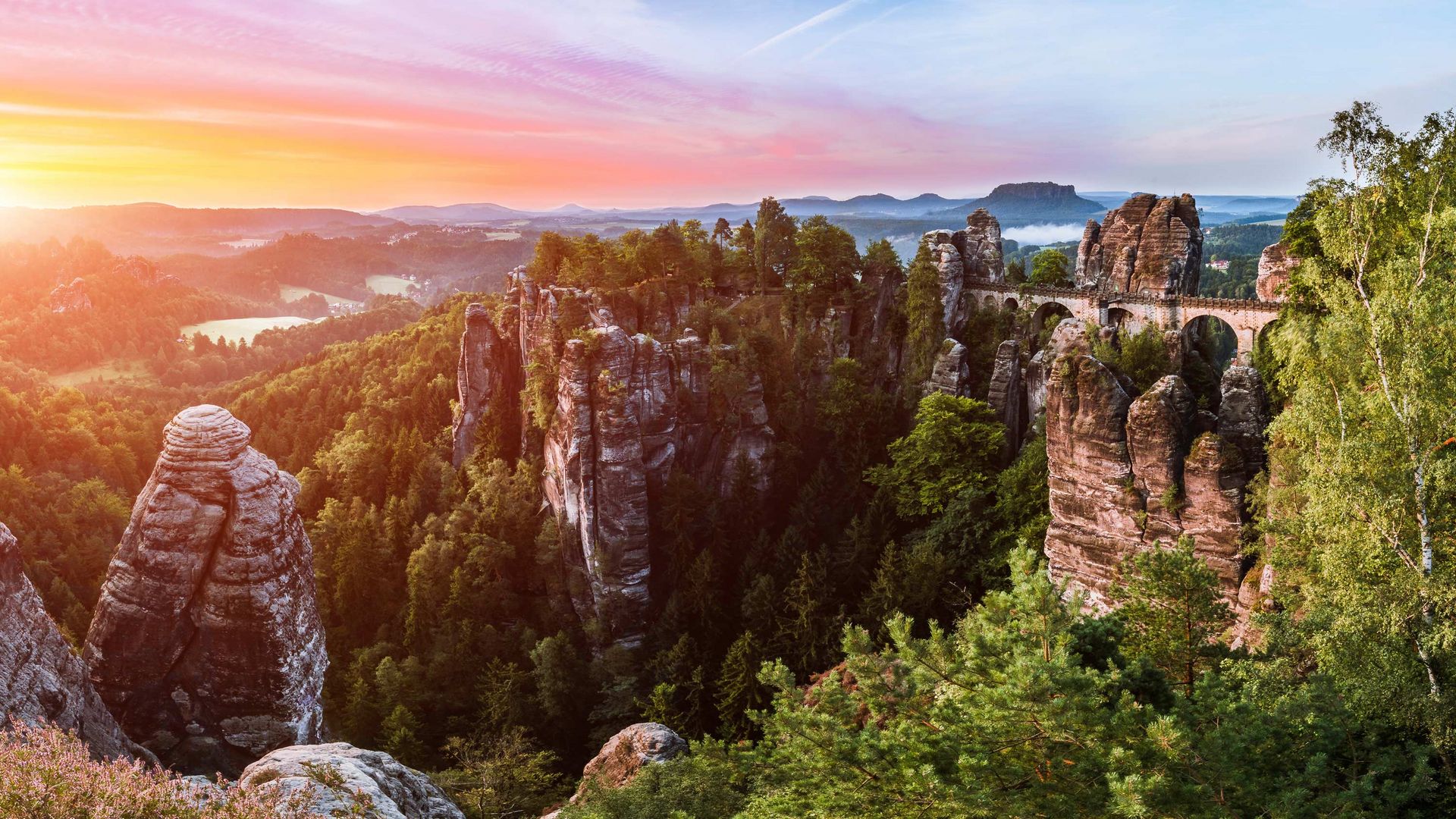
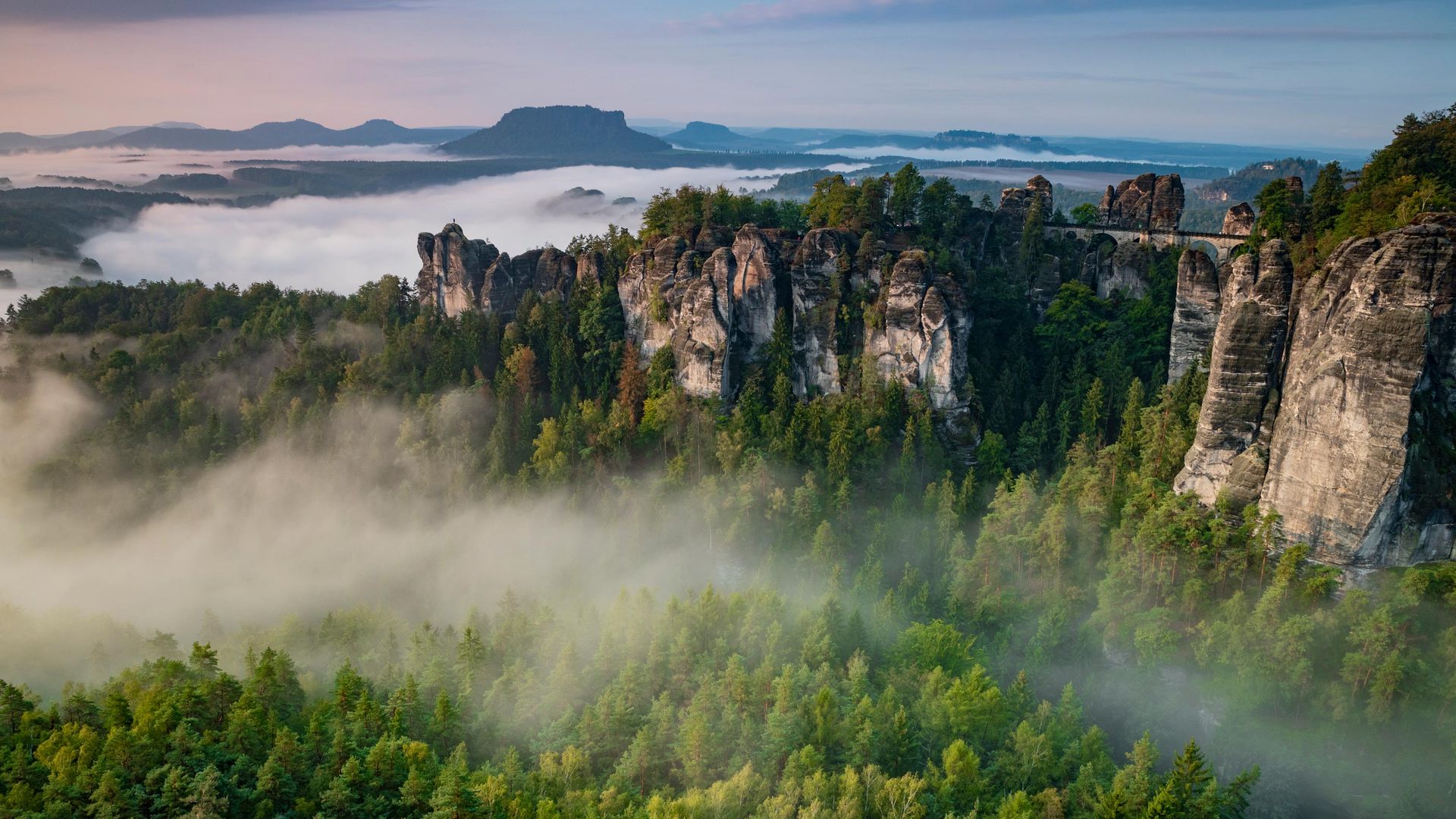
Once upon a time, robber barons roamed here. Then came the romantics. Today, the Bastei is the most popular attraction. From the Bastei viewpoint, you get a unique panorama with views of numerous landmarks such as Lilienstein or Königstein. A 76.5m long bridge stretches through the rock formation. From the Bastei Bridge in the Elbe Sandstone Mountains, you also enjoy a fantastic view. Other impressive viewpoints, such as Ferdinandsfels and the Kanapee, offer spectacular views into and over the Elbe Valley and the Elbe Sandstone Mountains. The best way to experience it is to hike to the Bastei; corresponding tour suggestions can be found at the very bottom.

© Sebastian Rose

Opening hours, directions, entry fees

What is the entrance fee for the Bastei?
The highlight of Saxon Switzerland is free of charge.

When is the Bastei open?
There are no opening hours either; the Bastei is accessible all year round at any time. 

Bastei - Arrival by public transport:

Viewpoints around the Bastei / Bastei Bridge:

  • Panorama view Bastei (newly opened on February 3rd, 2023)
  • Pavilion view overlooking the Bastei Bridge (above the Schwedenlöcher)
  • Wehlstein View (on the left, just before the Bastei Hotel)
  • Ferdinand's View (right before the Bastei Bridge)
  • Bastei Bridge with various viewpoints
  • Tiedge View (on the way towards Rathen on the right)
  • Kanapee (on the way towards Rathen on the right

    By crossing the Bastei Bridge, one can also reach the renowned ruins of the Neurathen Rock Castle. It is the largest medieval rock castle in the region. Due to necessary renovation work, only an outside view will be possible for the foreseeable future.

© Kenny Scholz
© Rico Richter

Can you drive to the Bastei by car?

Bastei - Getting there & parking by car

The access road to the Bastei or the approach to the Bastei Berghotel leads through the village of Lohmen. Simply enter 01847 Lohmen into your GPS or use the following coordinates:
Latitude: 50.9665139
Longitude: 14.0657333

There are two parking options when accessing the Bastei. Firstly, there is a parking lot in close proximity to the Bastei. This is also convenient for wheelchair users who wish to explore the Elbe Sandstone Mountains, as the trip to the Bastei can easily begin from there. Secondly, there is an additional parking lot at the start of Basteistraße, from which a shuttle bus service to the Bastei is offered.

Parking Lot No. 1 is located right at the intersection and offers ample space as a overflow parking lot . There are day tickets available for cars / coaches / motorhomes (the latter are allowed to park for a maximum of 24 hours). From this parking lot, you can either walk (approx. 3.5 km) or take the Bastei Shuttle Bus to the Bastei. The shuttle bus operates only from April 1st to October 31st.

Parking Lot No. 2 is closer to the Bastei and therefore slightly more expensive. Different fees are charged for motorhomes. These are determined based on the vehicle height detected by the light barrier. This allows for a price distinction between small motorhomes (e.g., VW Caravelle) that only require a car parking space and those larger campers requiring more space.

© Philipp Zieger

What's the best way to reach the Bastei on foot?

A visit to the Bastei can be wonderfully integrated into a day trip through Saxon Switzerland. Many hiking routes lead around the Bastei. A popular hike is from the town of Wehlen via the Bastei to the spa town of Rathen (or vice versa). On this hiking route, also known as "the golden triangle," you can discover sights such as the castle ruins of Wehlen, the Bastei Bridge, and the "Schwedenlöcher".

Do you enjoy hiking? You'll find diverse hikes around the Bastei as well as routes in Saxon Switzerland on our interactive hiking map.

© stock.adobe.com / Marcus Hofmann / #228384018

TIPS

  • Tip 1: Visit the Bastei in winter!
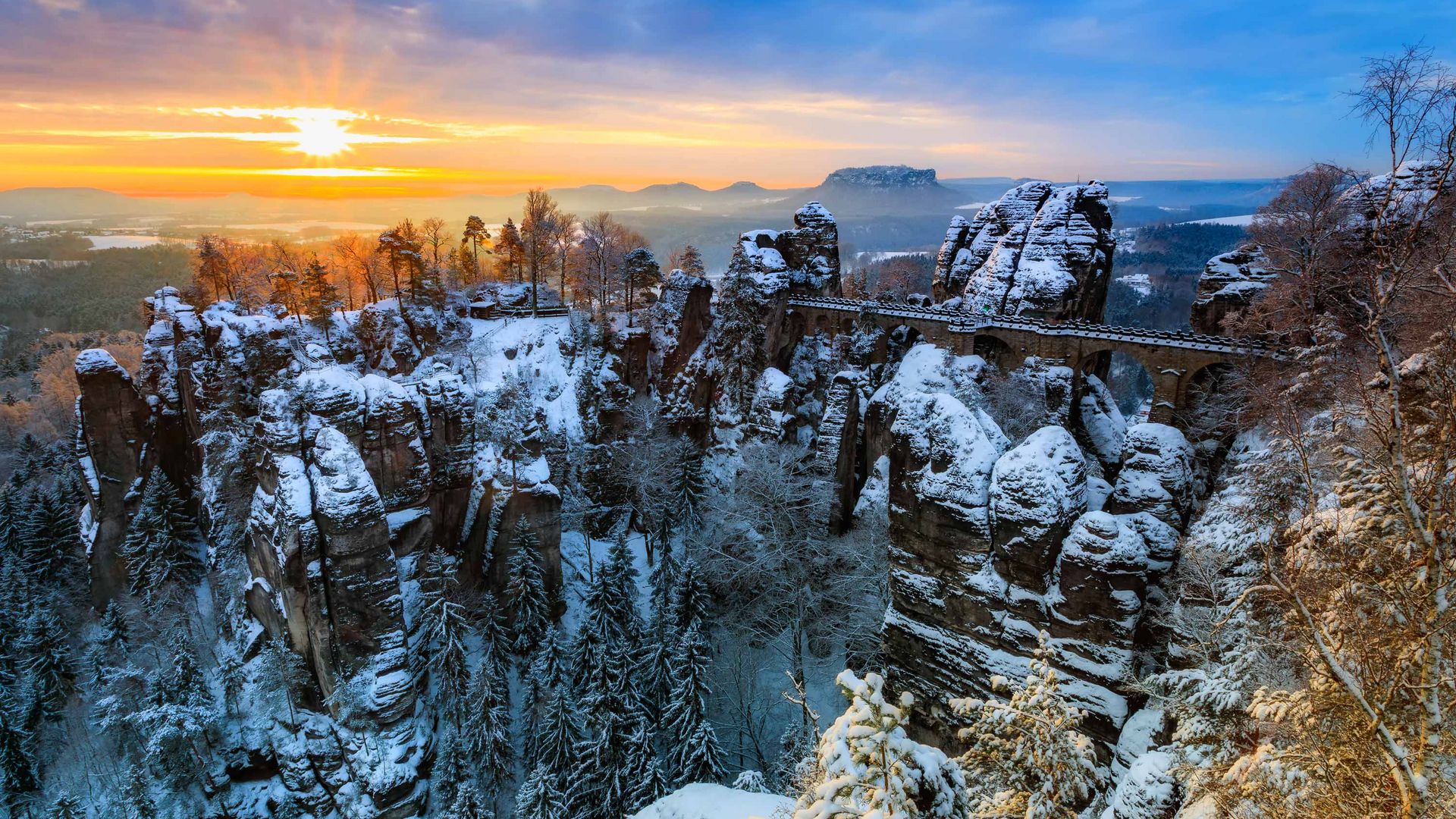
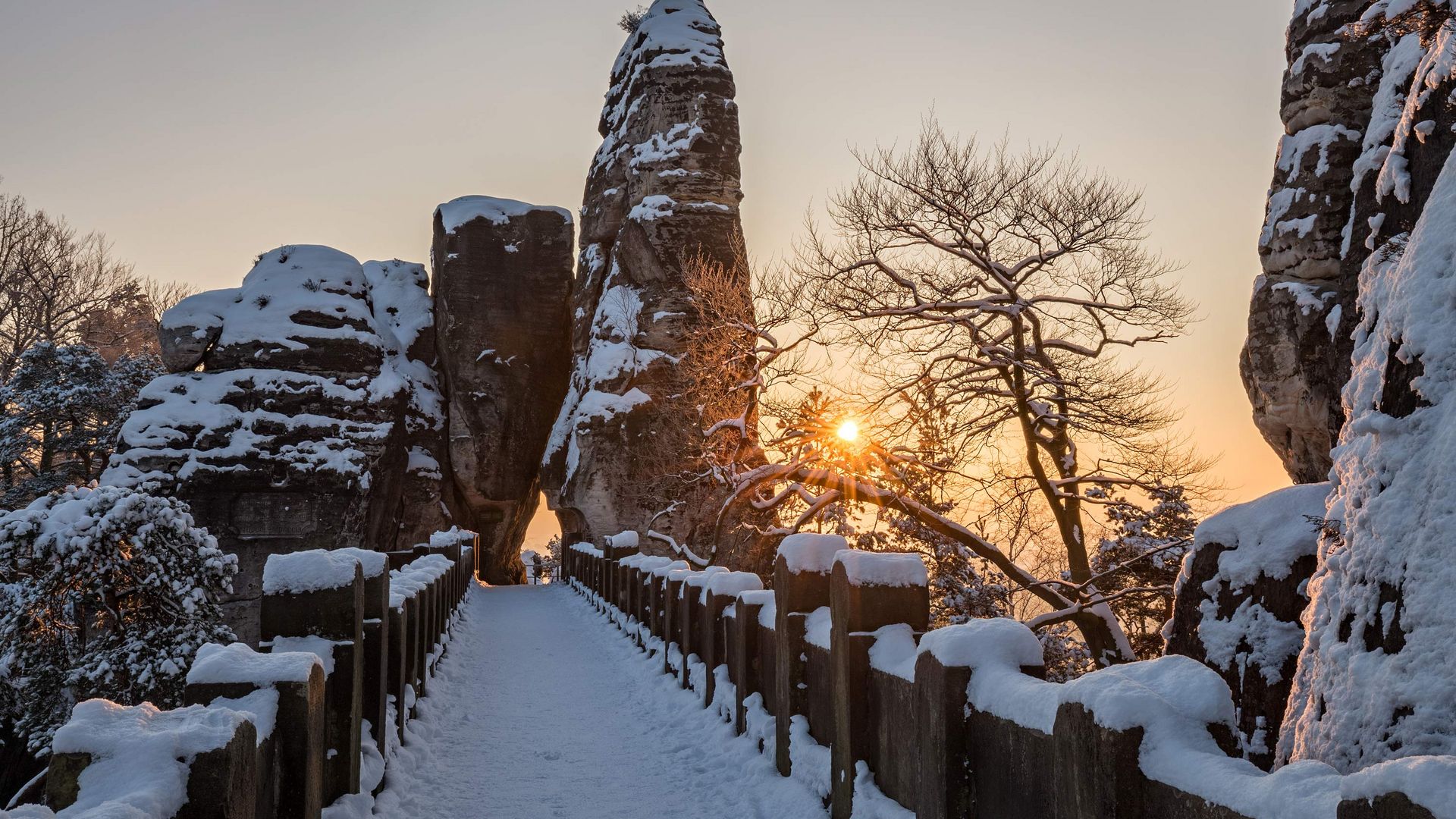
    In summer, a Babylonian mix of languages - in winter, a paradise of silence. Only a few tourists make their way to the Bastei in the cold season. The chances are high that you will have the most beautiful views all to yourself. You can enjoy not only the panorama but also the infectious peace of the national park in hibernation.
     

  • Tip 2: Hike off-peak!
    Solitude is not only a matter of the season but also of the time of day. Even the most popular hiking days during peak season begin and end meditatively at the Bastei.

    Anyone who has ever seen the Bastei from the Pavilion or the Ferdinand View at sunrise will never forget the sight. Of course, in summer, you have to get up very, very early for that. It's easier to catch the evening atmosphere.

  • Tip 3: Sauna with a view!
    There probably aren't many saunas worldwide that offer a view into the core zone of a national park while you sweat. One of them is located in the Elbe Sandstone Mountains. In the panorama sauna at the Bastei, you can gaze directly through a large window at the treetops and the distinctive rocks of the wildly romantic Wehlgrund.
     

  • Tip 4: Discover new perspectives!
    Exciting perspectives are also offered from the river. Seen from here, the rock wall of the Bastei, rising behind the spa town of Rathen, appears insurmountably steep, almost menacing. A particularly nostalgic experience is passing the formation by steamboat. Since the 19th century, these historic vessels have traveled from Dresden to the Saxon Switzerland – and continue to operate regularly between Pirna and Bad Schandau during the season.

  • Tip 5: Bastei Hotel & Panorama Restaurant
    From the panorama restaurant of the Berghotel Bastei, visitors to Saxon Switzerland enjoy a magnificent view from 194 meters above the Elbe River. In the restaurant, guests enjoy typical regional food as well as international dishes.

    Hotel guests benefit from the location and have the Bastei all to themselves before and after the daily visitor influx. The 4-star Berghotel Bastei features modern and lovingly furnished rooms as well as a relaxing wellness area.

  • Tip 6: Bastei Alternatives
    The Kleine Bastei - The famous Bastei has a namesake. Just a few kilometers upstream surprises the "Kleine Bastei" near Schmilka with a wide panoramic view. The sunset here is particularly beautiful.

    Belvedér in Bohemian Switzerland! Less known but equally enchanting is the Belvedér viewpoint in Bohemian Switzerland near Labská Stráň (Elbleiten), just 30 kilometers from the Bastei in Saxon Switzerland. A viewing terrace extends over the valley 130 meters above the Elbe.

All hiking tours with GPX/PDF download
Play external content

A Glimpse into History

The beginnings of tourism

The tourist development of the Bastei began modestly. In 1797, the Bastei was first mentioned in travel literature. At this time, the first simple refreshment stand started: A resourceful entrepreneur sold food and drinks from a carrying basket to visitors.

First permanent accommodations

1812 marked another milestone: The first "bark huts" were built slightly away from the main viewpoint. These primitive accommodations, operated by the butcher Pitsch from Lohmen, offered travelers simple refreshments and lodging.

The first inn

With the growing popularity of the Bastei, the need for better infrastructure also increased. In 1826, the first permanent inn was finally built. This was a significant step in the development of tourism in the region.

The Bastei Bridge

A highlight in the history of the Bastei is undoubtedly the construction of the Bastei Bridge. The first version was built of wood in 1824. Only a few years later, in 1851, it was replaced by the stone bridge, which is still admired today as a technical monument. With a length of 76.5 meters, it connects the rocks and offers spectacular views.

Expansion of infrastructure

Over the course of the 19th century, the infrastructure at the Bastei was continuously expanded. Additional buildings were constructed, including a lookout tower and additional accommodations for the growing number of visitors.

Artistic inspiration

The impressive landscape of the Bastei not only attracted tourists, but also inspired numerous artists. Particularly well-known is the painting "Rocky Landscape" (1823) by Caspar David Friedrich, which depicts the Neurathen Rock Arch and captures the romantic fascination with this landscape. The history of the Bastei is a testament to how an originally untouched location developed into a popular travel destination without losing its natural charm. From simple beginnings to a well-developed tourist infrastructure - the Bastei has evolved over two centuries into a landmark of Saxon Switzerland.

More about Caspar David Friedr