A Walk Through the Villages of Hinterhermsdorf and Saupsdorf


- 2:30 h
- 7.93 km
- 287 m
- 249 m
- 344 m
- 488 m
- 144 m
- Start: Saupsdorf Parking Lot
- Destination: Saupsdorf Parking Lot
Saupsdorf Parking Lot - Wachberg - Meiche-Weg - Weifberg Tower - Kräuterbaude - Recreation Area - Erbgericht Hinterhermsdorf (Bus Stop)

Good to know
Pavements
- Unknown (1%)Street (2%)Asphalt (12%)Gravel (12%)Trail (61%)Path (12%)
Best to visit
- suitableDepends on weather
Directions
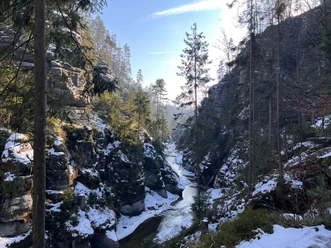
- You’ll start at the free hiking parking lot in Saupsdorf and hike uphill on a fairly steep path through the narrow streets before reaching the halfway point, where you can enjoy a fabulous panoramic view of the rocky landscape of Saxon Switzerland. Once
you
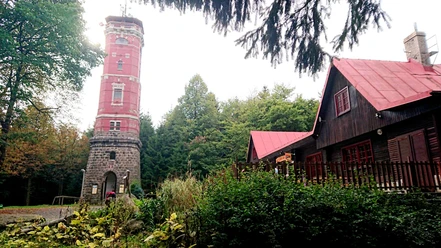
reach the Wachberg, it’s especially worth taking a detour to the adventure playground, especially if you have children.Afterward, follow the Meiche Trail through dense forest to the foot of the Weifberg in Hinterhermsdorf. A stop at the wooden observation tower, with its breathtaking 360-degree panorama, is an absolute must.
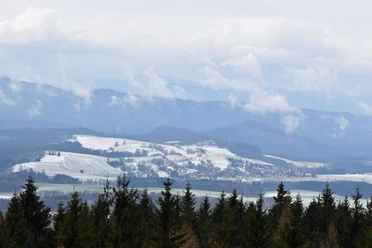
From here, the trail descends along the “Alte Nixdorfer Straße” out of Böhmisch, offering a beautiful view of the picturesque village. Once you reach the parking lot in the town center, bus line 268 will take you back to your starting point.
Tour information
Stop at an Inn
Directions & Parking facilities
- Parking
Free hiking parking lot at the entrance to Saupsdorf
Public transportationGetting There:
Takethe S1 S-Bahn from Dresden and then transfer to bus line 268 or 269 in Bad Schandau
Departure:
- From the “Hinterhemsdorf/Erbgericht” stop, take bus line 241 to Pirna
or
Additional information
Author´s Tip / Recommendation of the author
- A visit to the forest workers' lodge offers a glimpse into the living and working conditions at the end of the 19th century.